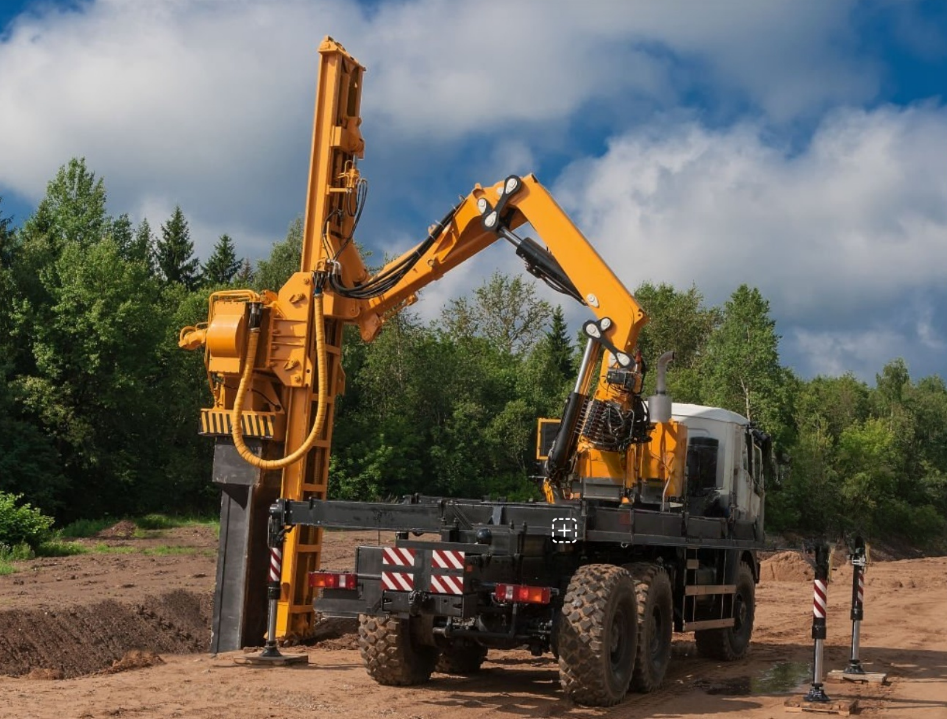

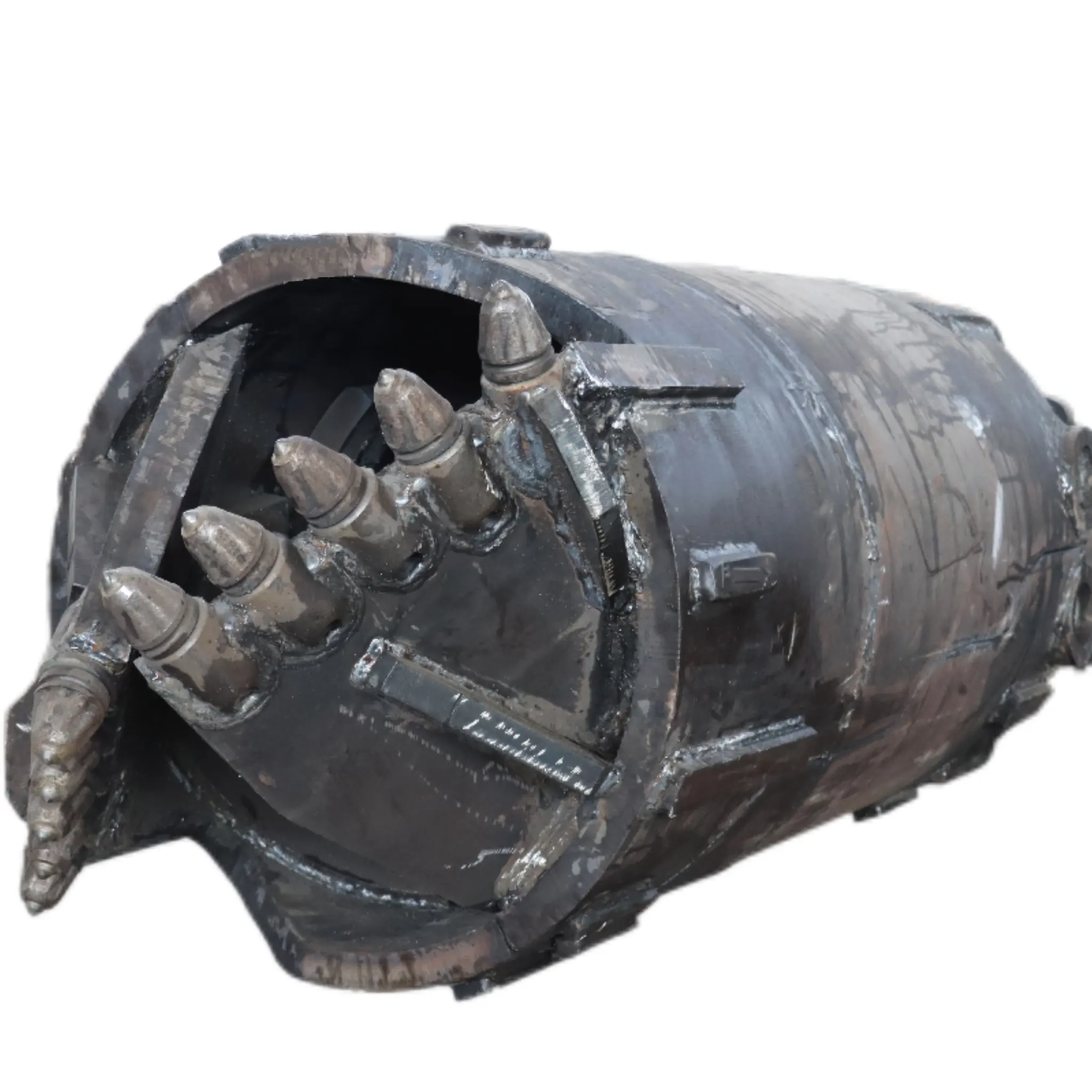
The foremost application prospect for steel well casing remains in the oil and gas industry, where its superior strength is non-negotiable. Unlike alternative materials, steel can withstand the immense pressures and mechanical stresses encountered in deep drilling operations. It is used to line the entire wellbore, preventing collapse and isolating high-pressure zones, freshwater aquifers, and potential gas pockets. The future demand here is tied to both conventional drilling and the need for deeper, more complex wells, where only high-grade steel casing with specialized threading can ensure well integrity, safety, and long-term production viability.
Beyond fossil fuels, steel well casing is critical for the future of geothermal energy, an area poised for significant growth. Geothermal wells expose casing to extreme temperatures and highly corrosive geothermal fluids. Steel, particularly specialized grades with corrosion-resistant alloys, is one of the few materials capable of enduring these harsh conditions to harness renewable energy from the earth's heat. As investment in geothermal technology increases, the demand for robust steel casing designed for high-temperature performance will rise, solidifying its role in the clean energy transition.
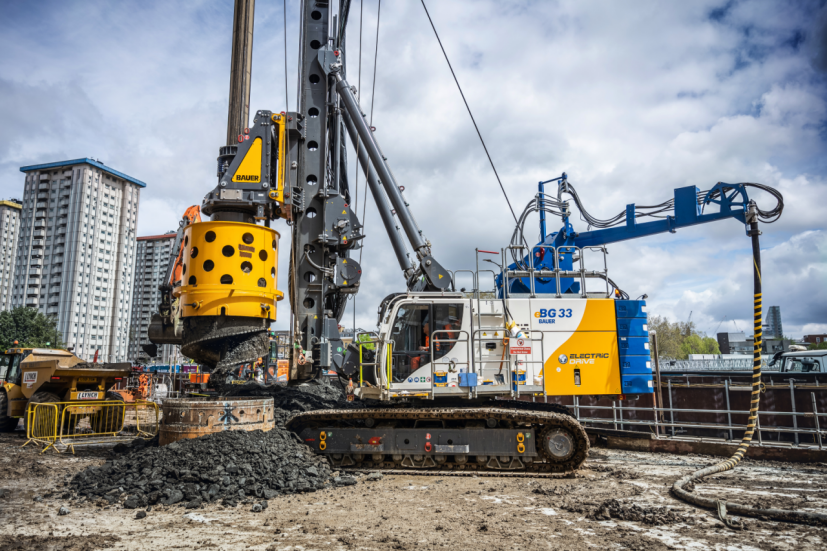
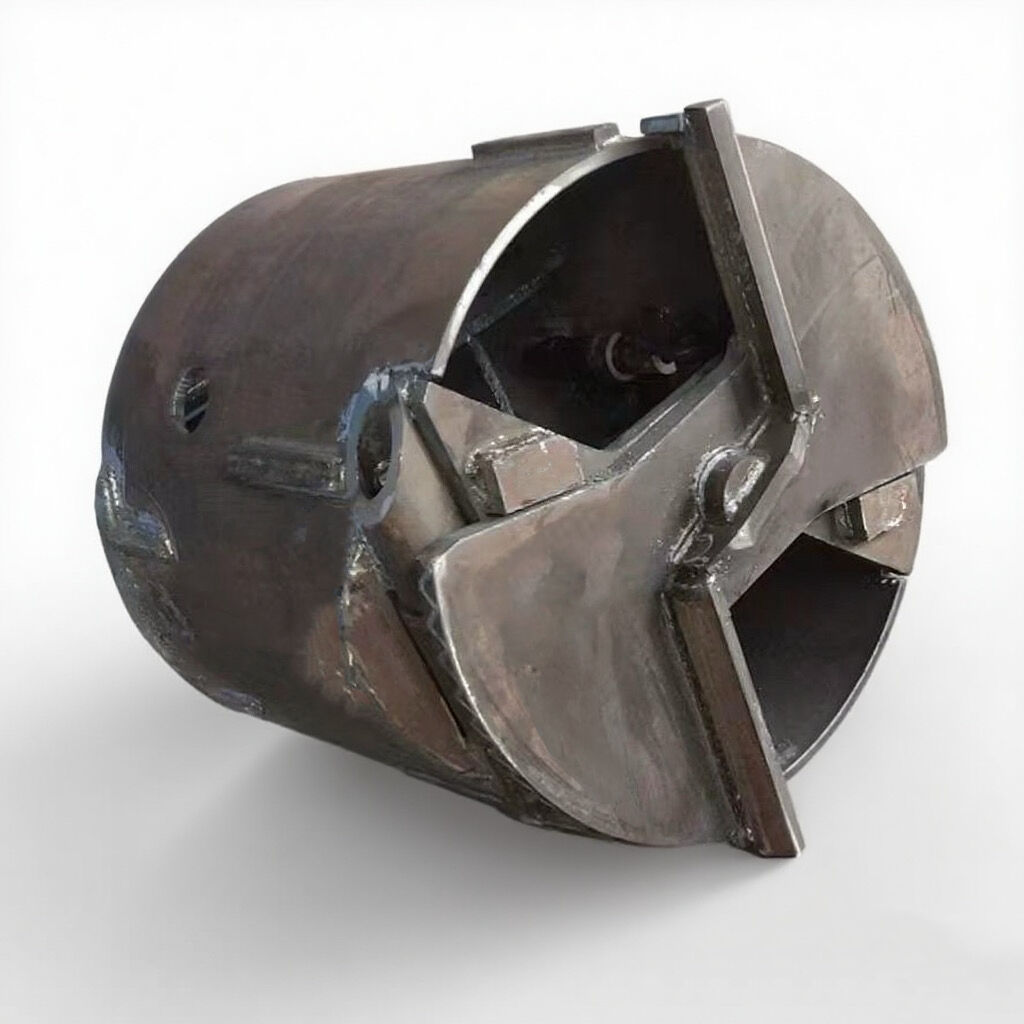
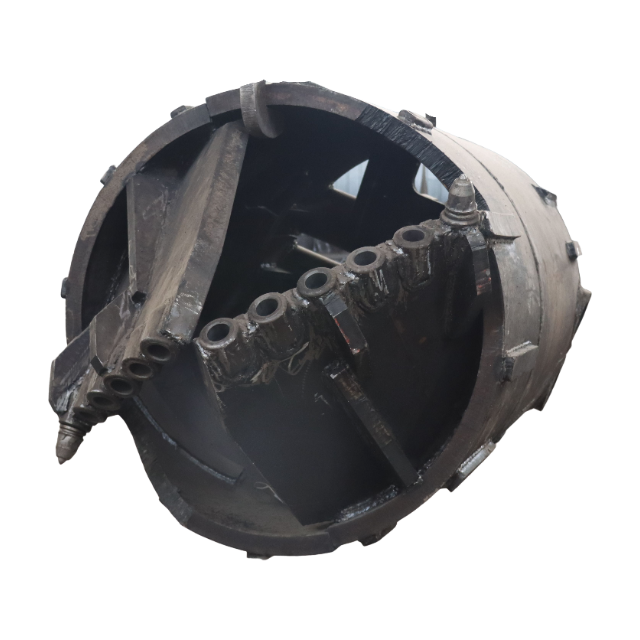
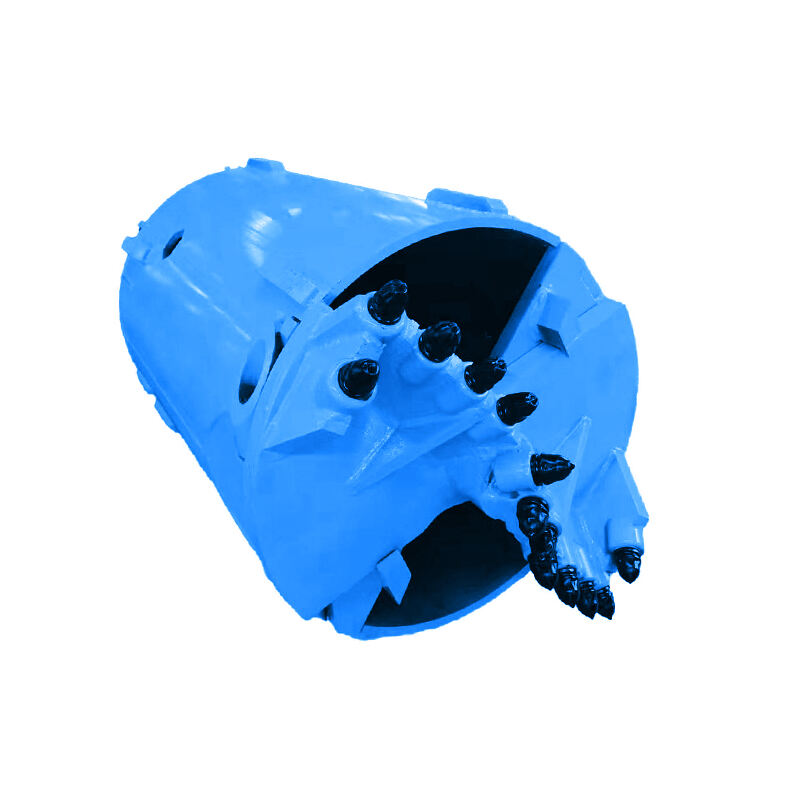
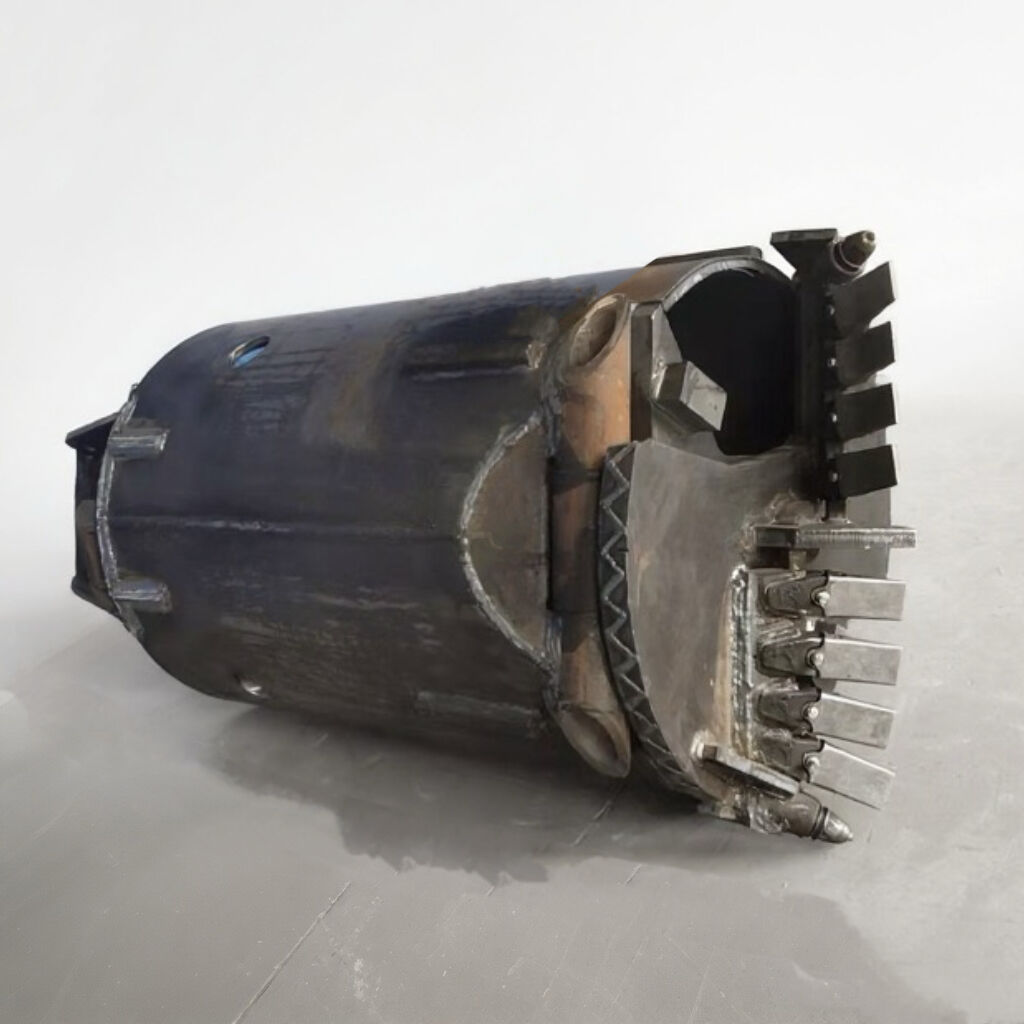
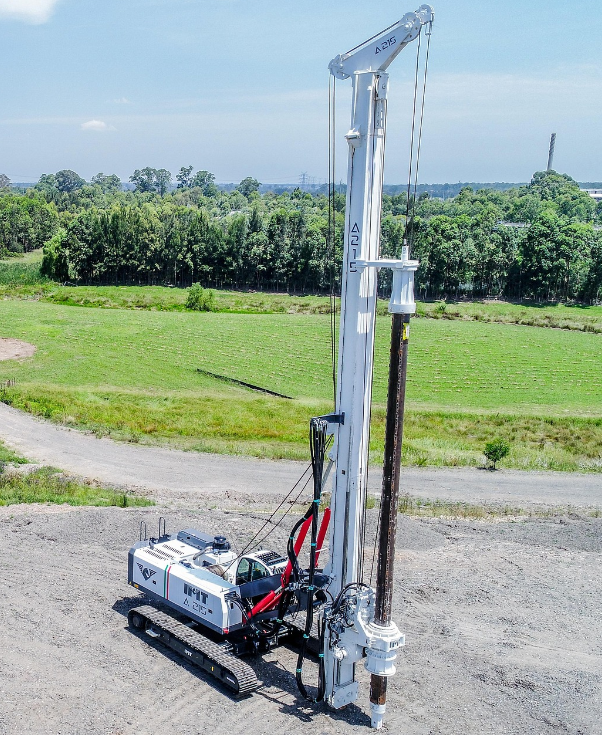
The prospects for steel well casing are also strong in deep-water resource extraction and major construction projects. For municipal or agricultural wells that must reach deep aquifers, steel casing provides the necessary structural integrity where PVC might fail. Furthermore, in construction, it is used for foundational piling (caissons) to support large structures like bridges and skyscrapers, where the casing is filled with concrete to create deep foundations. In these applications, the strength and durability of steel make it the material of choice for projects where failure is not an option, ensuring its relevance for critical infrastructure development.