
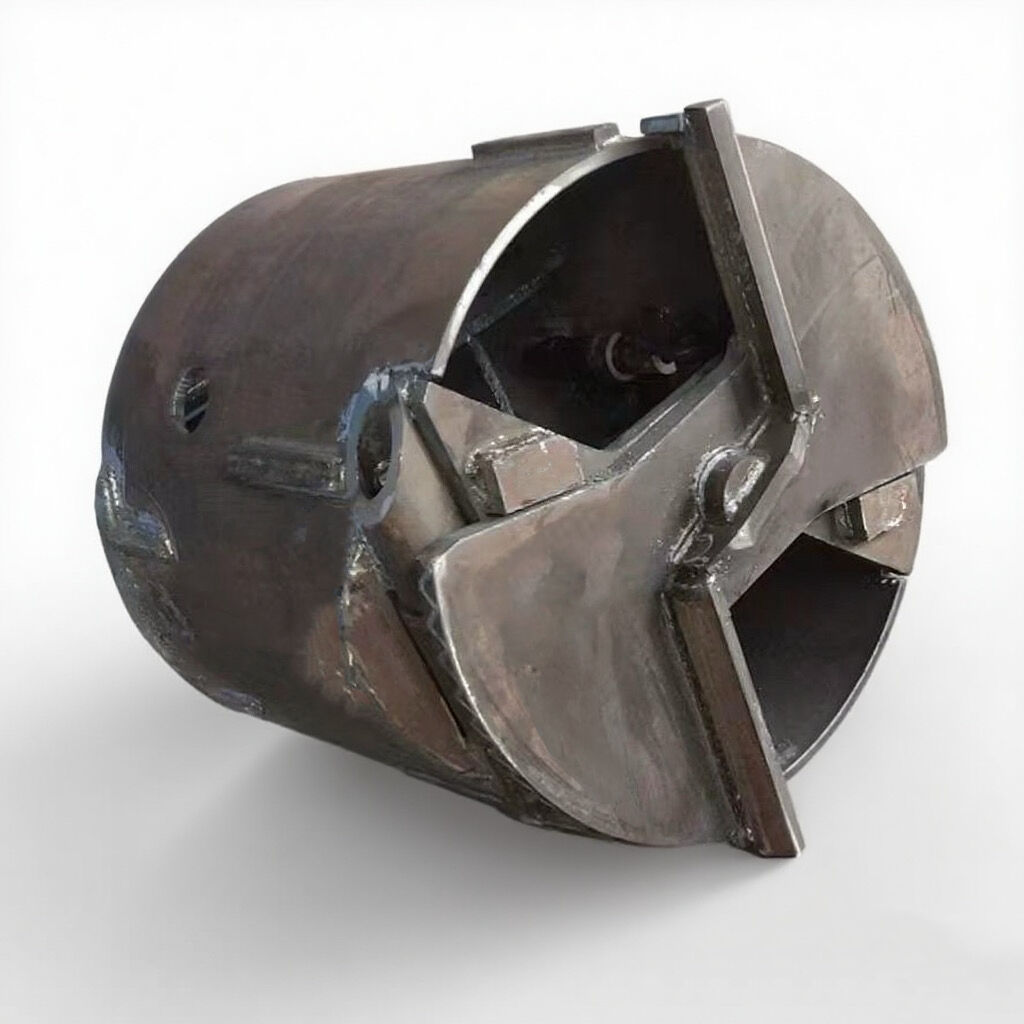
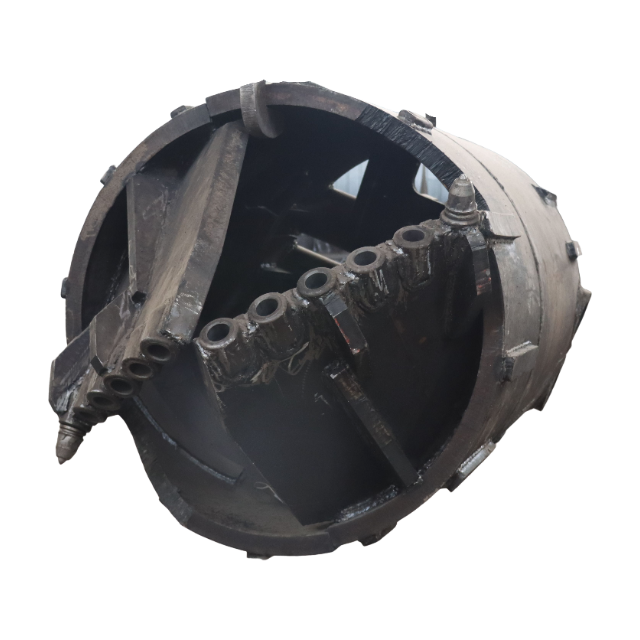
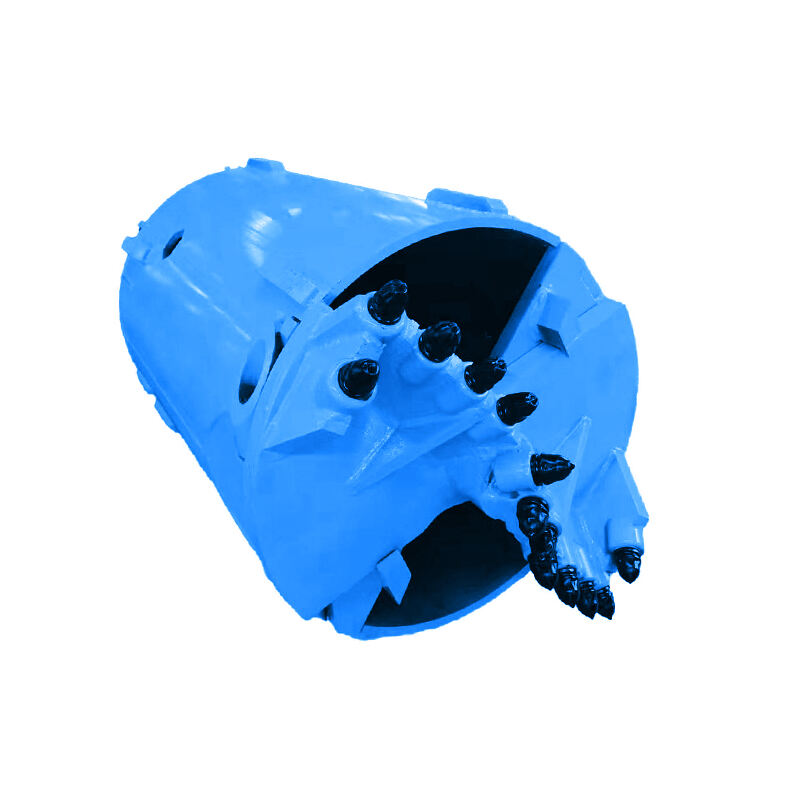
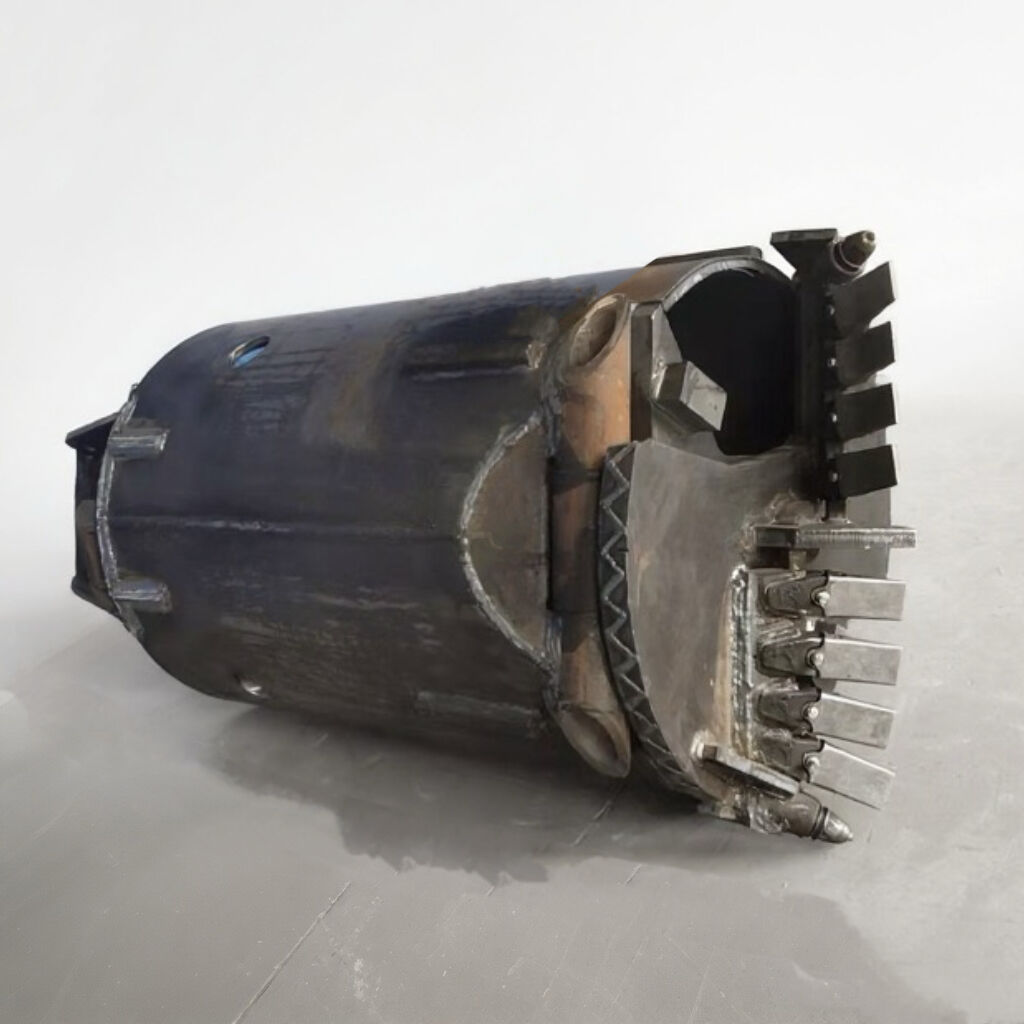
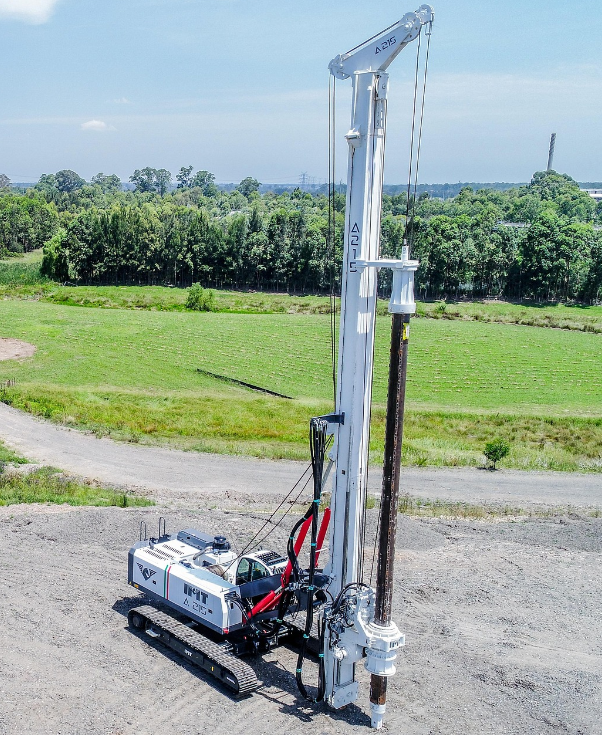
The primary and most critical application for boring casing pipe is in Horizontal Directional Drilling (HDD), the cornerstone of trenchless utility installation. During HDD, a pilot bore is drilled horizontally underground, and the boring casing pipe is then pulled back through the bore to create a stable conduit. This pipe serves as a protective sleeve for fiber-optic cables, electrical lines, and water or gas pipelines, shielding them from external pressure, soil corrosion, and accidental damage. The demand for this application is skyrocketing due to the expansion of telecommunications networks (like 5G fiber backhaul) and the need to upgrade aging utility infrastructure with minimal surface disruption, making boring casing pipe a fundamental component of urban and suburban development.
Beyond HDD, boring casing pipe is indispensable for pipe jacking and microtunneling projects, which are crucial for installing larger-diameter conduits under sensitive areas like highways, railways, and river embankments. In this method, the boring casing pipe is simultaneously jacked into the ground as a tunneling shield excavates the soil ahead of it. This application is vital for creating stormwater drains, sewer lines, and vehicle underpasses without the economic and environmental costs of open-cut trenches. The prospects here are tied to global infrastructure modernization, where the strength and precision of the casing pipe directly determine the success and speed of these complex projects.
The future application prospects for boring casing pipe are expanding into new areas of guided boring and utility reinforcement. As urban subsurface space becomes more congested, the need for precise, steerable boring machines to navigate between existing utilities is growing. Boring casing pipes used in these guided systems provide the necessary rigidity for accurate installation. Furthermore, they are increasingly used for "pipe rehab," where a new casing pipe is installed within an old, deteriorating one to structurally renew the line without excavation. This method of trenchless rehabilitation extends the life of critical infrastructure, representing a sustainable and cost-effective application that will drive demand for years to come.