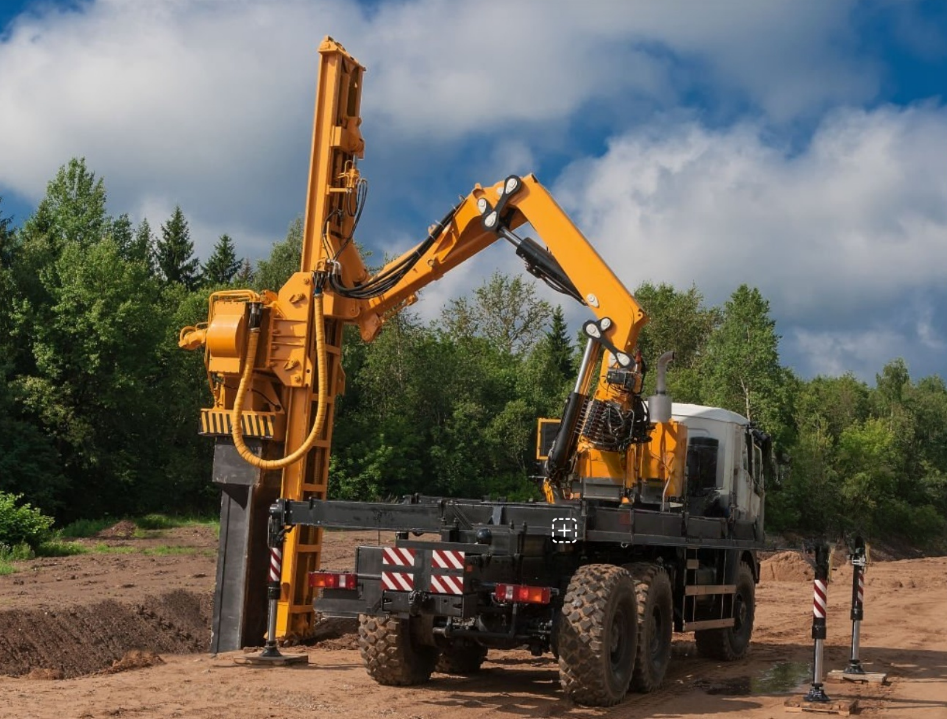

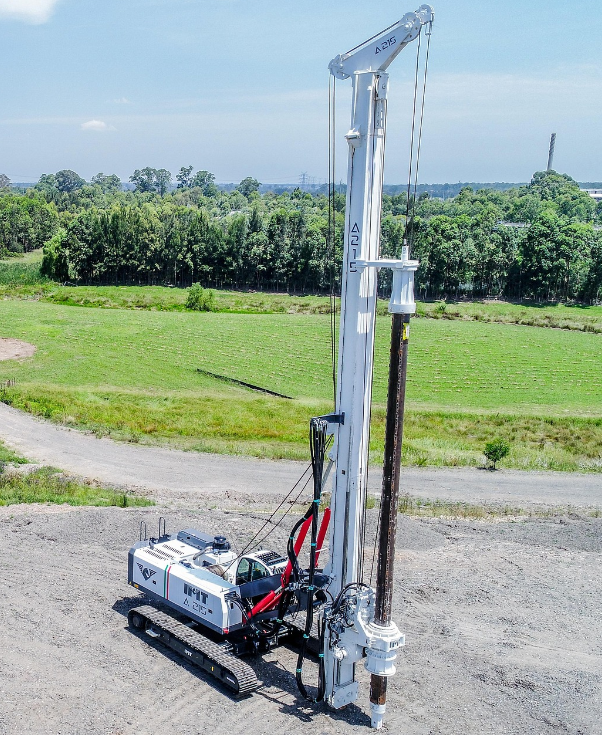
To capture diverse search queries, the applications are grouped into clear, scannable sections with descriptive headings.
1. Construction and Foundation Piling
In the construction industry, rotary rigs are indispensable for creating deep, stable foundations. They are primarily used for:
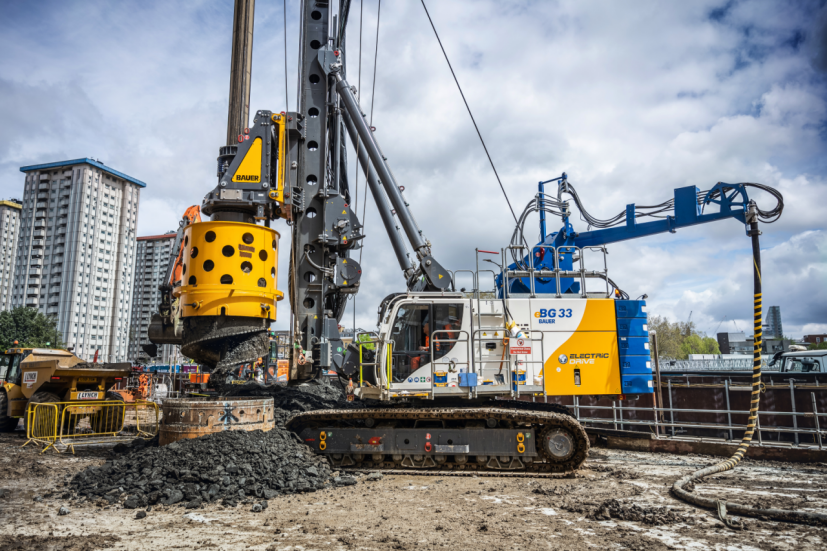
Drilled Shafts (Caissons): Creating large-diameter, reinforced concrete piles to support the weight of skyscrapers, bridges, and heavy infrastructure.
Secant and Tangent Pile Walls: Constructing underground retaining walls for deep basements, tunnels, and cut-and-cover projects.
Ground Anchoring and Soil Nailing: Providing lateral support for excavations, slopes, and retaining walls to ensure site stability.
2. Resource Exploration and Extraction (Oil, Gas, and Mining)
This is the most well-known application of rotary rigs, where power and depth are critical.
Oil and Natural Gas Wells: Drilling exploratory and production wells to access hydrocarbon reservoirs deep beneath the surface.
Mineral Exploration: Conducting core drilling to extract cylindrical rock samples (core) for analyzing mineral deposits like copper, gold, and iron ore.
Quarry Blast Holes: Drilling precise holes for the placement of explosives in mining and quarrying operations.
3. Water Well Drilling and Public Utilities
Rotary rigs provide access to essential water resources and support public works projects.
Water Wells: Drilling boreholes for municipal, agricultural, and industrial water supply, tapping into underground aquifers.
Geothermal Heating and Cooling: Installing the vertical ground loops for highly efficient geothermal HVAC systems in residential and commercial buildings.
Environmental Monitoring and Site Investigation: Installing groundwater monitoring wells and conducting subsurface sampling for environmental assessment and remediation.