
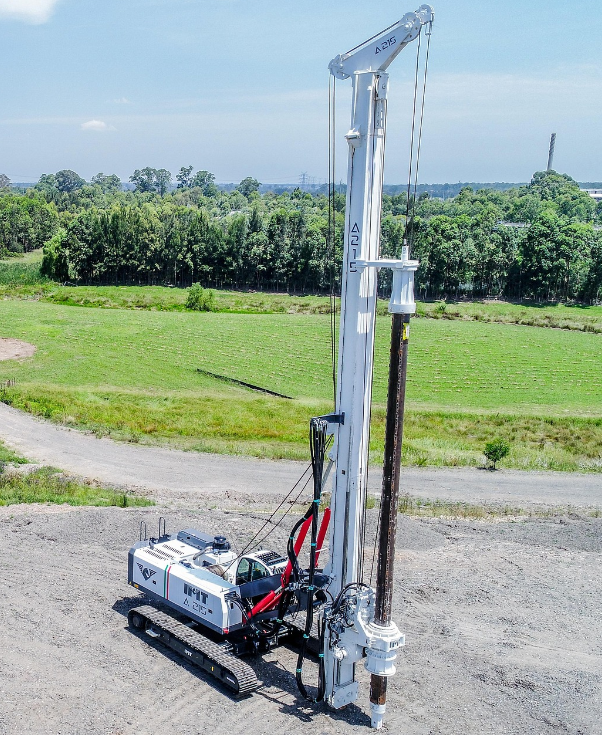
1. Large-Diameter Deep Foundation Engineering
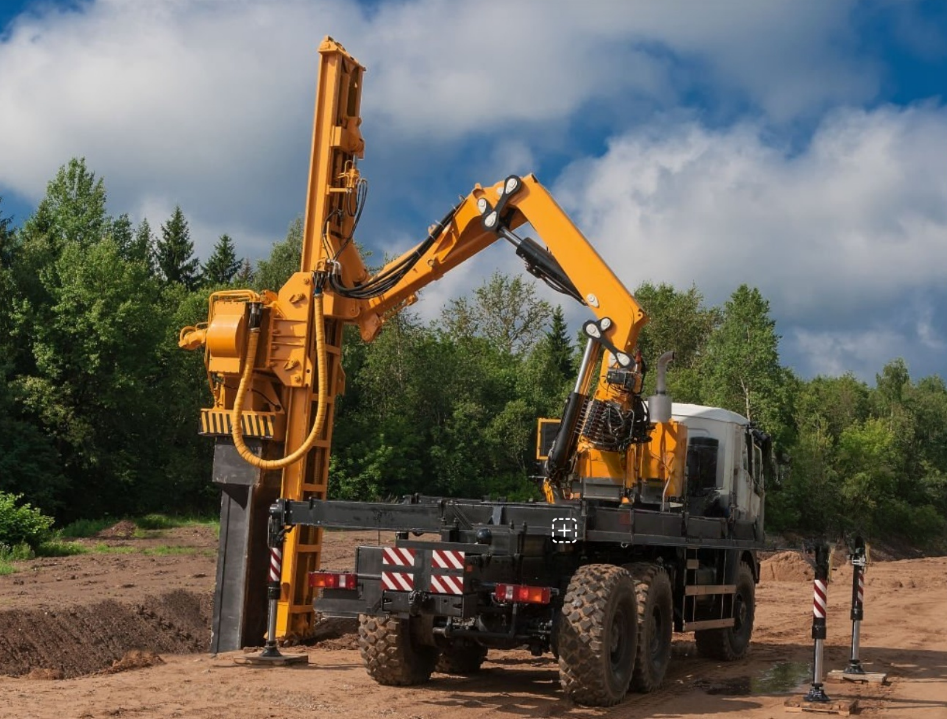
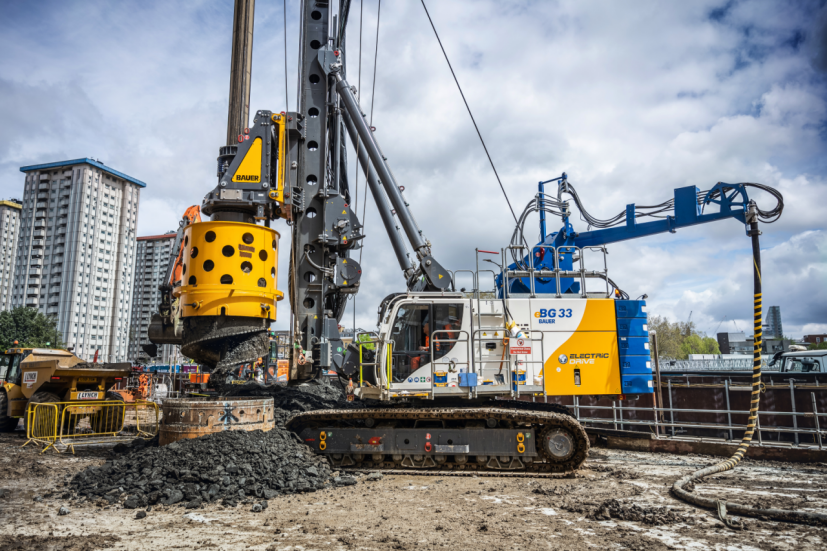
The primary prospect for rotary head drilling lies in large-scale urban and civil engineering. The immense torque allows for the construction of large-diameter cast-in-situ piles and diaphragm walls essential for skyscrapers, long-span bridges, and underground infrastructure like subways. As cities build denser and deeper, the power and reliability of rotary head rigs become indispensable for creating stable, load-bearing foundations in complex soil profiles.
2. Mega Infrastructure and Resource Development
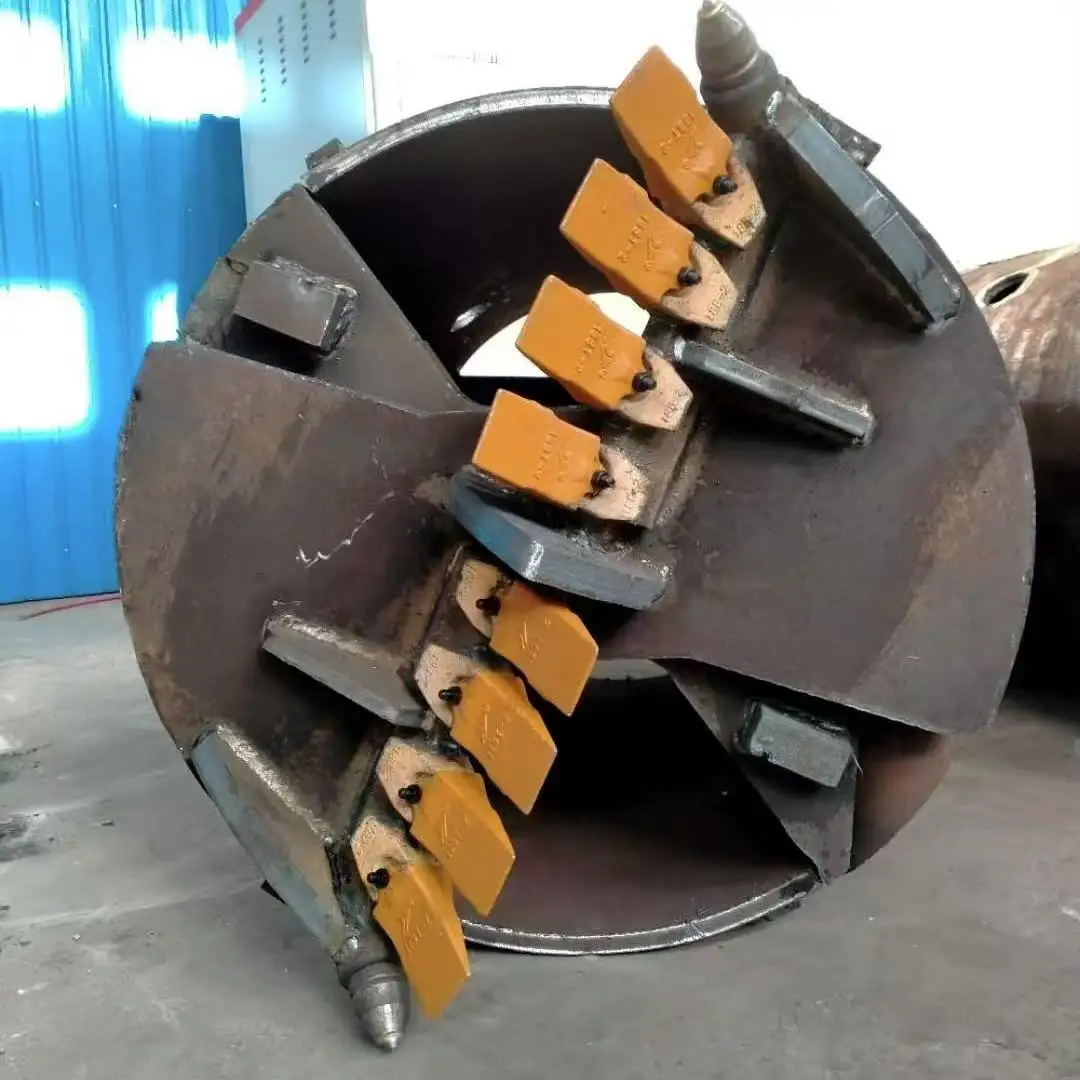
This technology is critical for mega-projects requiring large boreholes, such as shaft sinking for mines, caisson drilling for offshore wind turbine foundations, and water intake wells for major industrial plants. The rotary head's ability to operate with large drill strings and core barrels also makes it a future-proof solution for deep mineral exploration and geothermal well drilling, where depth and diameter capabilities directly impact project viability and energy output.
3. Complex Geotechnical and Environmental Drilling
The precise control offered by modern rotary heads opens prospects in specialized geotechnical investigations and environmental remediation. They excel in drilling for soil nailing, ground anchoring for landslide stabilization, and installing monitoring wells for contaminated sites. The technology's adaptability for various drilling methods (auger, bucket, core) within a single rig makes it a versatile and cost-effective solution for tackling complex subsurface challenges with precision.