
The page will educate the user on why prices vary, building trust before they request a quote.
1. Oil & Gas Well Construction (High-Pressure/High-Temperature Applications)
This application demands the highest-grade casing pipes, directly leading to a higher price per foot. Pipes used here must withstand immense pressure, corrosive environments, and high temperatures.
Impact on Price: Requires high-strength, corrosion-resistant alloys (e.g., L80, P110, C90). Prices are significantly higher due to specialized manufacturing, stringent quality standards (API 5CT), and rigorous testing. The cost is justified by the critical role of preventing well blowouts and ensuring long-term integrity.
2. Water Well & Geothermal Installation (Corrosion and Environmental Safety)
For potable water wells and geothermal loops, the primary concern is corrosion resistance and environmental safety to prevent contamination.
Impact on Price: Common materials include carbon steel (often PVC-coated), stainless steel, and sometimes PVC. The price per foot is generally lower than oilfield casing but varies based on coating requirements and diameter. The cost is an investment in the long-term purity and yield of the water source or the efficiency of the geothermal system.
3. Construction & Foundation Piling (Structural Stability and Load-Bearing)
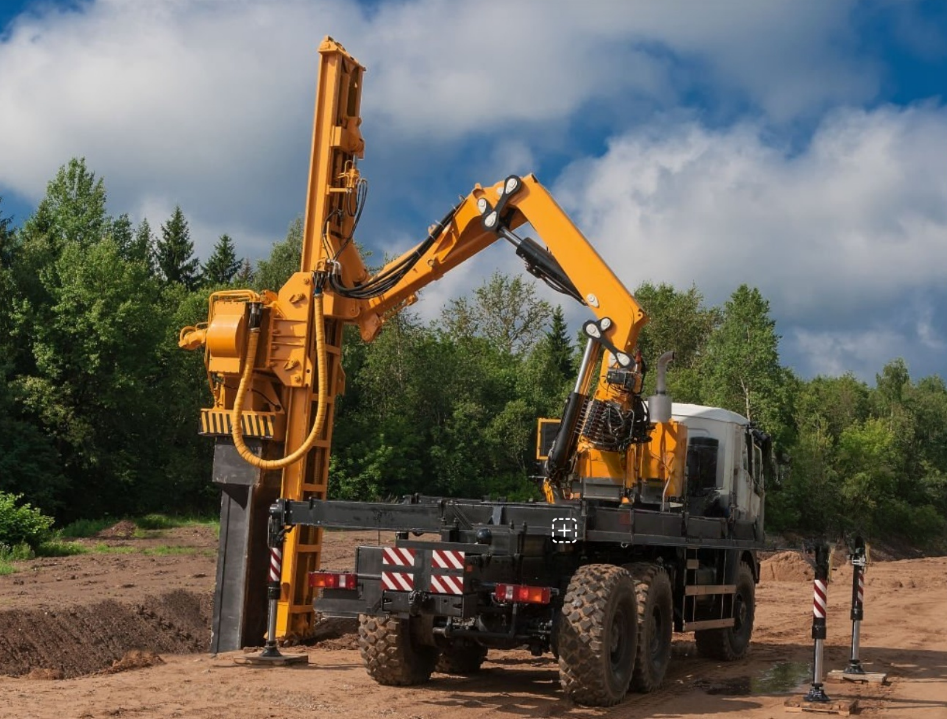
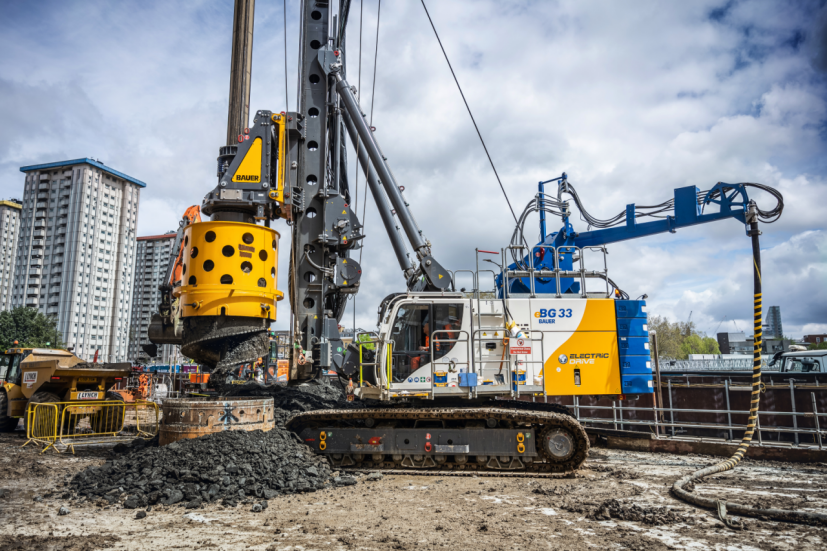
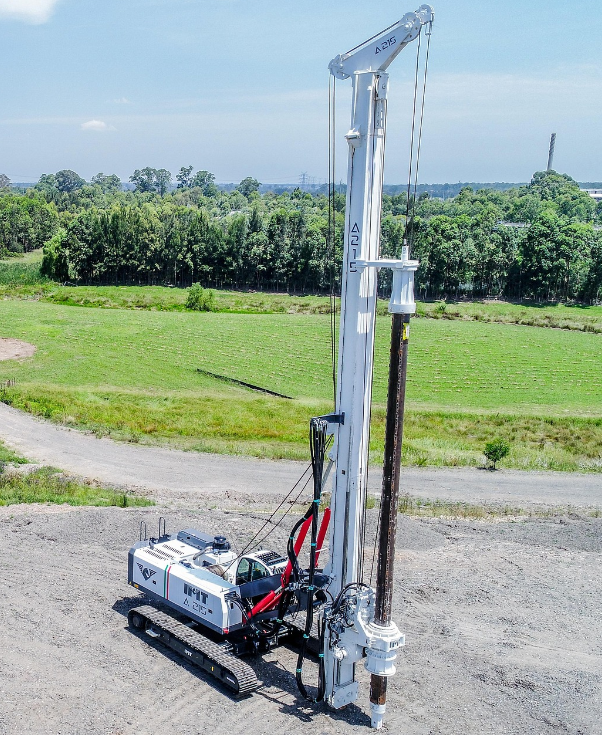
In construction, casing pipe is used to stabilize boreholes during the pouring of concrete piles (caissons) for foundations, bridges, and retaining walls.
Impact on Price: The focus is on structural strength rather than pressure rating. Prices are competitive but depend on wall thickness (schedule) and diameter. Temporary casing may be re-used, affecting project cost calculations differently than permanent casing installations. The price per foot is justified by its role in ensuring the structural integrity of the entire project.
4. Environmental Monitoring & Microtunneling (Precision & Specialized Sizes)
This includes installing monitoring wells for groundwater sampling and use as conduit in microtunneling projects.
Impact on Price: Often requires smaller diameters and specific material certifications. While the total linear footage may be lower, the price per foot can be higher for specialized, precision-manufactured pipes or those made from inert materials to avoid skewing environmental samples.