
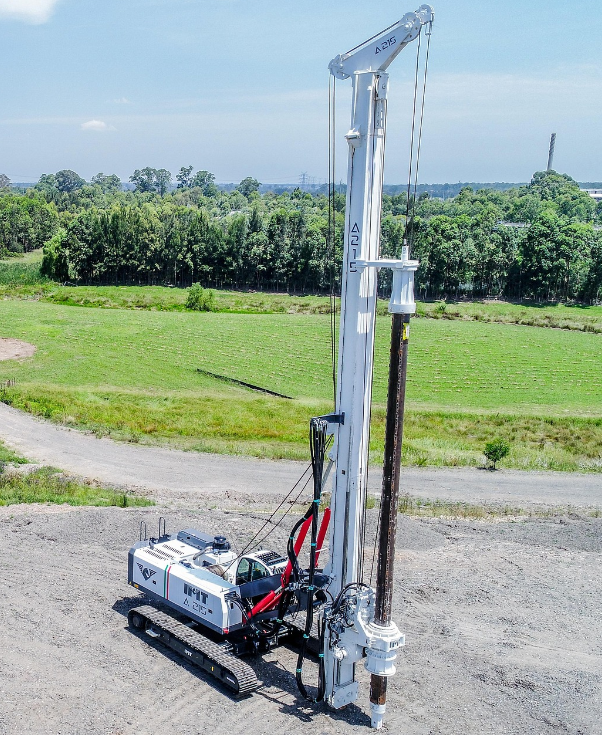
Understanding casing pipe price is the first step in planning any water access or foundational project. The cost directly determines the feasibility and scale of initiatives like residential water wells and agricultural irrigation systems. For homeowners and farmers, the price per meter of casing pipe dictates the achievable depth of a borewell, impacting the potential water yield and long-term security. A clear grasp of market pricing allows for accurate budgeting, helping you evaluate the return on investment for securing a reliable, independent water source.
In large-scale industrial and municipal projects, casing pipe price is a major line item that influences material selection and project design. For city water supply projects or dewatering mines, the total cost of casing pipe can run into significant figures. Engineers must balance price with specifications like diameter, wall thickness, and material grade (e.g., PVC vs. MS Steel) to meet structural requirements without exceeding budgets. Fluctuations in raw material costs mean that timely price analysis is essential for tender submissions and successful project bidding.
Finally, the price of casing pipe often reflects its quality and longevity, which is a critical consideration for environmental and infrastructure applications. While a lower upfront cost might be attractive for a monitoring well or a temporary construction pilings, investing in a higher-priced, corrosion-resistant pipe can prevent costly failures and contamination in sensitive projects. Analyzing the price spectrum empowers project managers to make informed decisions, ensuring that the selected casing pipe delivers both economic value and long-term performance for its specific application.