
Operation Steps for a Bucket Bit
Before Operation Safety and Inspection
Personal Protective Equipment PPE
Verify that all personnel in the work area are wearing all required PPE, including hard hat, safety glasses, high visibility vest, steel-toed boots if required, and hearing protection measures.
Worksite Inspection
Check for overhead hazards in the work area such as power lines or structures or as well as underground hazards such as gas lines, water lines or electrical wires. Call the appropriate utility locating services before proceeding with any digging.
Machine and Attachment Inspection
Visually look over the excavator to scout for any leaks or visible damage.
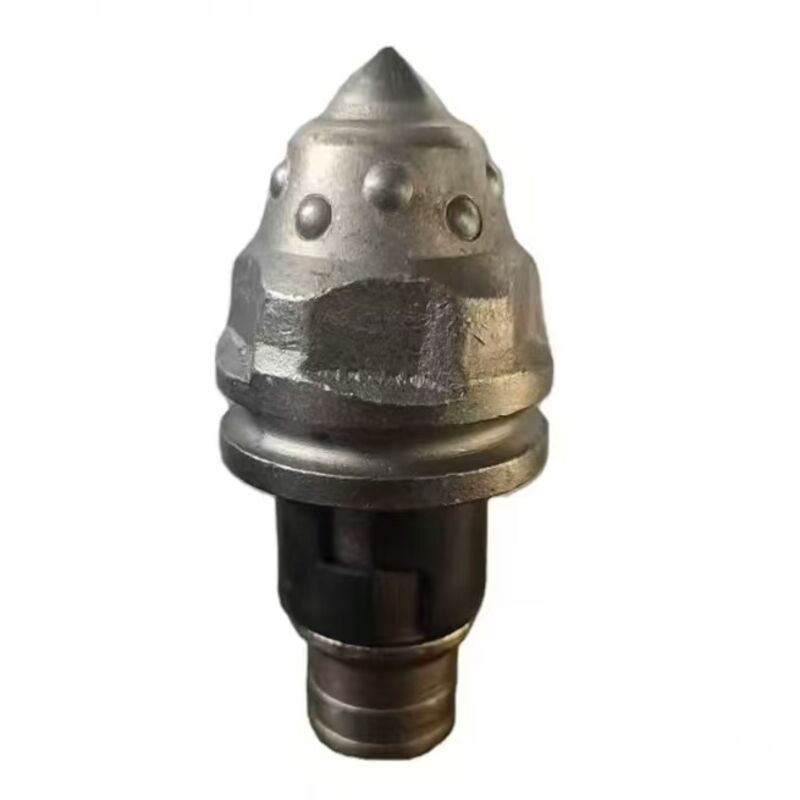
Visually look over the bucket bit to check for excessive wear, cracks or damaged teeth.
Make sure the bucket bit is secured to the excavator arm as per manufacturers instructions and that the pins and locks are fully engaged.
Safe Work Zone
Eliminate any unnecessary personnel from the immediate work zone.
The Operator should have an effective communication system with ground guides if required.
Pre-Use Operational Steps
Position the Machine
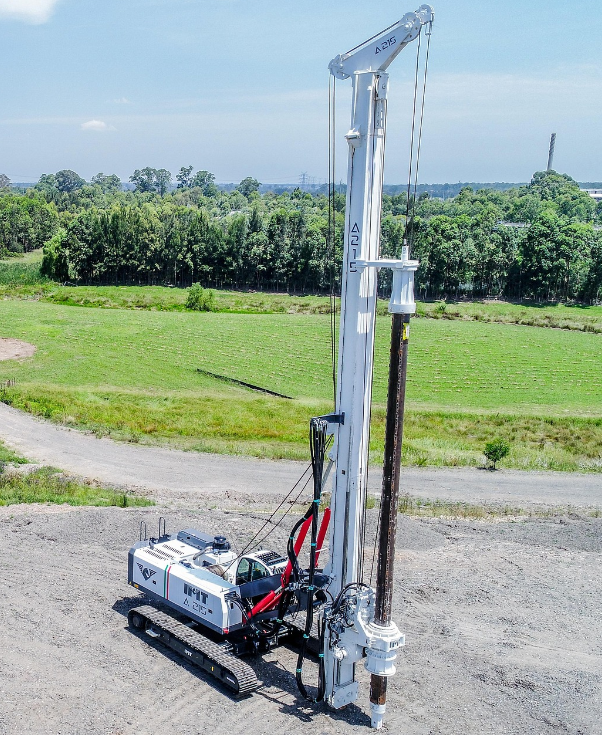
Position the excavator on stable, level ground prior to establishing the worksite to ensure safe operation of the excavator.
Plan the Dig
Identify where excavating will be done and at what depth the excavating will be required.
III. Operational Steps
Approach the Dig Site
Position the bucket bit above the starting point of the excavation.
Initiate Excavation
Using the arm and boom controls, lower the bucket bit vertically into the ground.
While lowering the bucket bit into the ground, apply downward pressure with the boom to assist with penetration while curling the wrist of the bucket to close the bucket and capture material.
Caculate the Load
Upon filling the bucket or achieving depth, cease curling the bucket.
Lift the bucket vertically out of the ground straight up.