
Tricone Bit Operation Steps
Pre-Operation Preparation
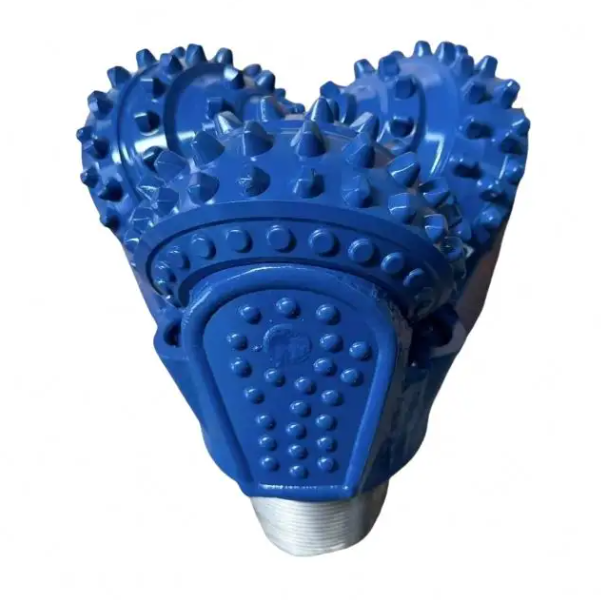
Bit Selection: Check properly choosing the correct tricone bit for the expected formation (soft, medium, hard, or abrasive rock). Verify the size of the bit, the thread type (API connection), and the bearing type (sealed bearing, journal bearing).
Inspection: Inspect the new bit visually prior to removal from the packaging.
Check to see that all teeth or compacts are intact and undamaged.
Ensure that the bearings spin freely, with no excessive grit or, or resistance. For new bits, the cones should have no axial or radial play.
Look closely at the threads for any damage. Apply thread compound to the pin connection.
Confirm the nozzle sizes are as specified, that they are installed, and that they are clear of any debris.
Rig Inspection (Check out the drilling rig equipment, from the drill string, stabilizers, etc., and mud pumps, to ensure everything is in good working order, and will not cause unwanted vibration, or stresses on the bit.)
Hole Preparation: Ensure the wellbore is clean from debris before running the new bit in the hole. A junk basket or magnet can be used to gather metal debris of a previous run.
Running the Bit In the Hole
Handling: Take extra care when lifting and stabbing the bit into the drill string connection. Do not allow the bit to swing freely or to hit the rig floor or the casing.
Make-Up: Torque the bit to the drill string using the correct torque values. Use a torque wrench and/or make-up chart applicable to the bit size and connection type.